

Signs It’s Time To Replace Your Aged Roof In Sonoma County
Just as you’ve grown, so has your roof. If your home was built between 1970 and 1990, it has likely spent decades doing its job, and maybe you’ve spent just as long making it your own. Raising a family and tending the garden leave their mark on a house. Now your roof is showing its years, and that’s a natural part of owning a home with history.
Crandall Roofing is here to help protect you from the elements of time, aging, and everything in between. If you’re asking whether your roof is still doing its job, or wondering when to replace an aged roof, you’re in the right place.
Knowing the signs, lifespans, and replacement timing helps you make a calm decision. Every stage of an aging roof involves both upkeep and replacement decisions.
What an Aging Roof Looks Like in a Sonoma County Home Built From 1970 to 1990
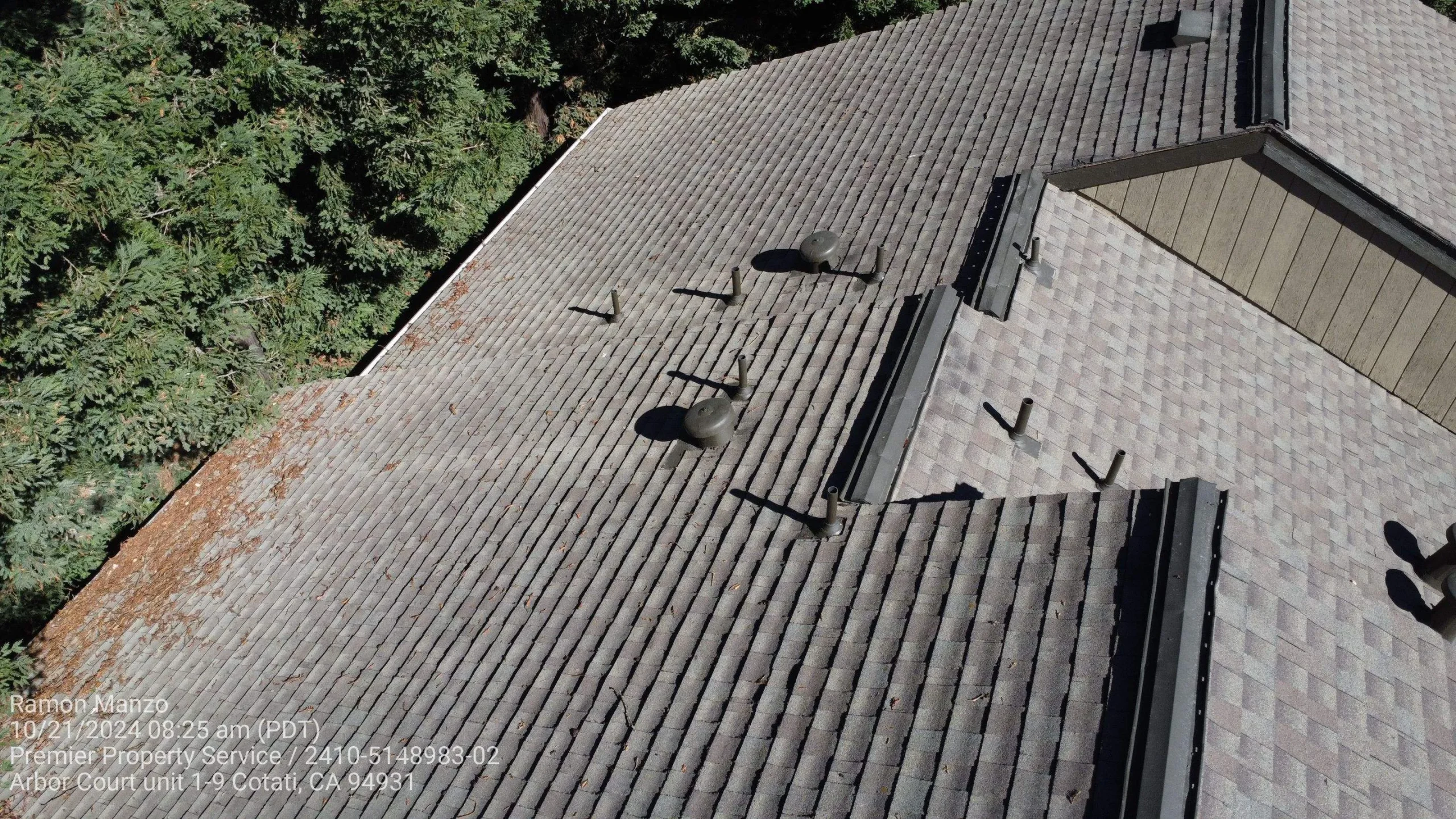
A roof that has been protecting a home since the 1970s or 1980s has done a lot of work. Even the sturdiest materials wear down eventually. Some changes are easy to see from the ground, while others only show up in the attic. Knowing what to look for makes it easier to catch them early.
Sun, heat, and winter rain all take a toll on your roof over the years. In Sonoma County, a roof on a south-facing slope can age faster than one tucked into the shade, so understanding how Sonoma County conditions age a roof is worth it. Keep an eye on your roof’s overall condition, not just one problem spot at a time. Patterns tell you more than a single symptom.
Curling, Cracked, or Missing Shingles
If you are noticing that many of your asphalt shingles are starting to curl at the edges or are cracking along the tabs, your roof is more than likely in need of a roof replacement. Missing shingles can leave the underlayment exposed, which gives water a path inward. Wind can lift and remove shingles, too, so check after a big storm. A few shingles off one side may be a simple repair, but a pattern across your roof points to a bigger conversation. If you’re seeing this, Crandall can walk your roof with you.
Granule Loss and Surface Wear
Asphalt shingles have a coating of tiny mineral granules that protect them from the sun. When those granules wear away, the shingle has less protection from UV rays and heat. You might notice granules collecting in the yard, on the driveway, or around the base of the house.
Bare or shiny spots on the shingles are another clue. Granule loss doesn’t always mean a roof needs replacing right away, but it’s worth a closer look. Checking your roof’s condition once a year helps you stay ahead of it.
Water Stains, Sagging, and Leaks
Water damage is one of the most noticeable and oftentimes most intrusive types of damage. When water penetrates your home, it can stain your ceilings and walls, cause your roofline to sag, create musty smells, and more. These problems can quietly spread into the insulation and framing. That’s why even one stain is worth having checked.
How Long Different Roofing Materials Last
- Asphalt shingles: 15 to 30 years
- Metal roofs: 50 to 75+ years.
- Tile roofs: 50 to 75+ years.
- Synthetic roofs: 30 to 50 years.
- Flat roofs: 15 to 30 years.
Your roof’s actual age matters more than any average, and finding your roof’s age is the first step.
Why an Aging Roof Matters for Safety and Pride
Your roof does more than keep the rain out. It protects everything under it, including the insulation, the attic, and the rooms you use every day. As a roof ages, it becomes less reliable at that job. Keeping up with its condition is one of the simplest ways to protect the people inside.
Your roof is also one of the first things people notice from the street. A well-kept roof makes the whole house look cared for, and that kind of pride is part of what makes a home truly yours.
Fire safety matters too. Crandall uses only Class A fire-rated materials. Class A is the highest fire rating a roof can earn, so it’s worth asking about when you compare options.
When to Replace an Aged Roof
Age alone doesn’t tell the whole story, but it’s a useful place to start. Plenty of homeowners in older neighborhoods are asking whether to keep patching or replace an aged roof. The right call depends on your roof’s material, its condition, and how long you plan to stay in your home.
A roof with minor issues and plenty of life left may only need repairs. Repairs can buy time, though a roof’s age keeps moving forward. A roof nearing the end of its expected life often makes more sense to replace on your own schedule, and the answer to “at what age a roof should be replaced” varies by material. Either way, planning ahead gives you more choices and less pressure.
Maintain or Replace? How to Decide
Start with your roof’s age and material, then look at its overall condition. If your roof has a few isolated problems and plenty of life left, regular maintenance and repairs often make sense. If you’re dealing with repeated repairs, widespread wear, or leaks in more than one area, replacement may be the better long-term choice.
Steps for Planning Ahead
A few simple steps keep you in control.
- Find out how old your roof is. Check closing papers or permit records, or schedule a roof inspection with your local roofing company.
- Look at the overall condition. Note any leaks you find, curling or cracked shingles along your roofline, and any past patches or repairs.
- Ask for an estimate. Compare repair and replacement side by side, with Simple Pricing and no hidden fees. And don’t forget to take advantage of any available financing offers.
What It’s Like to Work With Crandall
Nobody hires a roofer every day, so it’s normal to want a little proof before you pick up the phone. Crandall has been working on homes around the Bay Area since 1995, and more than 10,000 homeowners have trusted us with their roofs.
We’re Diamond Certified, and that manufacturer certification lets us extend factory warranties up to 50 years. The shingles we use come from brands you can look up, including Owens Corning, GAF, Malarkey, and CertainTeed.
Our pricing is straightforward, with honest numbers and no hidden fees. When you’re ready, we’ll walk your roof with you and talk through your options at whatever pace works for you.
Questions Homeowners Ask About Roof Age
How Much Does Roof Age Really Tell Me?
Age alone doesn’t settle it. A roof with healthy shingles and no leaks may have years left, even after two decades. Condition tells you more than the number on the calendar. If you’re not sure how old your roof is, a roof-age check is a simple place to begin, and your closing papers often help.
Does Every Older Roof Need Replacing?
No. A roof with a few isolated problems can often keep going with repairs. Widespread wear, repeated leaks, or damage across several areas usually point toward replacement. A roofer can help you sort minor problems from wider wear, and a clear picture makes the choice easier. Planning ahead keeps those options open.
Can I Repair an Older Roof Instead of Replacing It?
Often, yes. Spot repairs, such as replacing a cluster of damaged shingles or sealing a small leak, can keep a roof working for years. The key is whether the repairs fix one problem or keep chasing new ones. If you keep paying for fixes in different spots, your roof may be telling you it’s time to plan a replacement. Our team can help you see the difference and explain your options honestly.
Does Roof Age Affect My Home’s Value?
It can. Buyers and their inspectors often look closely at a roof’s age, and a roof nearing the end of its life can become a point of negotiation. Good records help. Keep receipts, warranty paperwork, and maintenance reports in one place. A roof that is well kept and backed by a manufacturer’s warranty tells a clear story about the home’s value and its care.
Proudly Protecting Our Communities From The Elements, Including Time.